



“I wanted to say hello because I’m actually a former Stanford quarterback too, just slightly less decorated than you.”
That was my ice breaker with John Elway before spending a few minutes chatting with him last night.
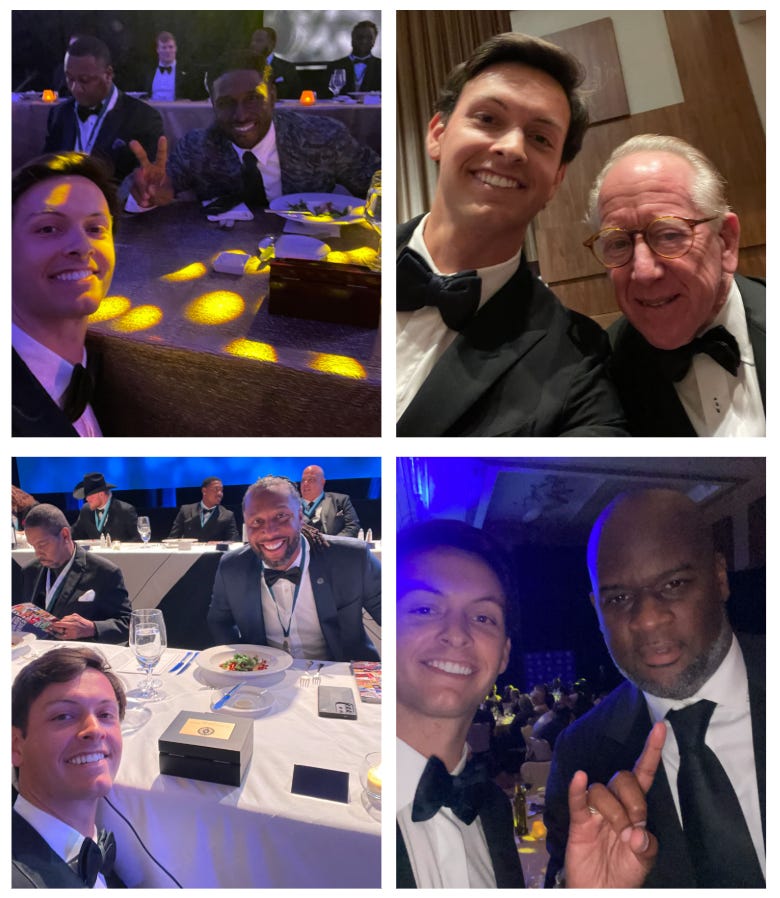
I’m writing this on a flight back to Dallas from Las Vegas, after my annual kid-in-a-candy-shop night at the National Football Foundation Awards Dinner. It was my third time attending, and it is truly one of the highlights of my year.
It’s a spectacular event. The energy in the room exudes gratitude, and everyone just seems so comfortable.
It has the key ingredients of a great event—exclusivity, and a crowd united by shared passion.
Being surrounded by the leaders of the national football community—players, coaches, athletic directors, media members—is incredible.
Outside of the military, few experiences forge stronger bonds than sports. Shared triumph and heartbreak have a way of bringing people together.
The former players love the event because it, if only for a night, addresses a void that almost every retired competitor describes: the loss of the locker room. Not just the physical space, but what it represented—daily connection, shared purpose, accountability, and belonging.
The pre-dinner cocktail hour is a pretty wild scene. Look right, and it’s Steve Spurrier, Phil Fulmer, and Tommie Frazier having a drink. Look left, and there’s Rece Davis and Brady Quinn chopping it up. Archie Griffin speaks with Michael Vick against the bar. Urban Meyer and Nick Saban head to their seats next to each other for dinner. And on and on.
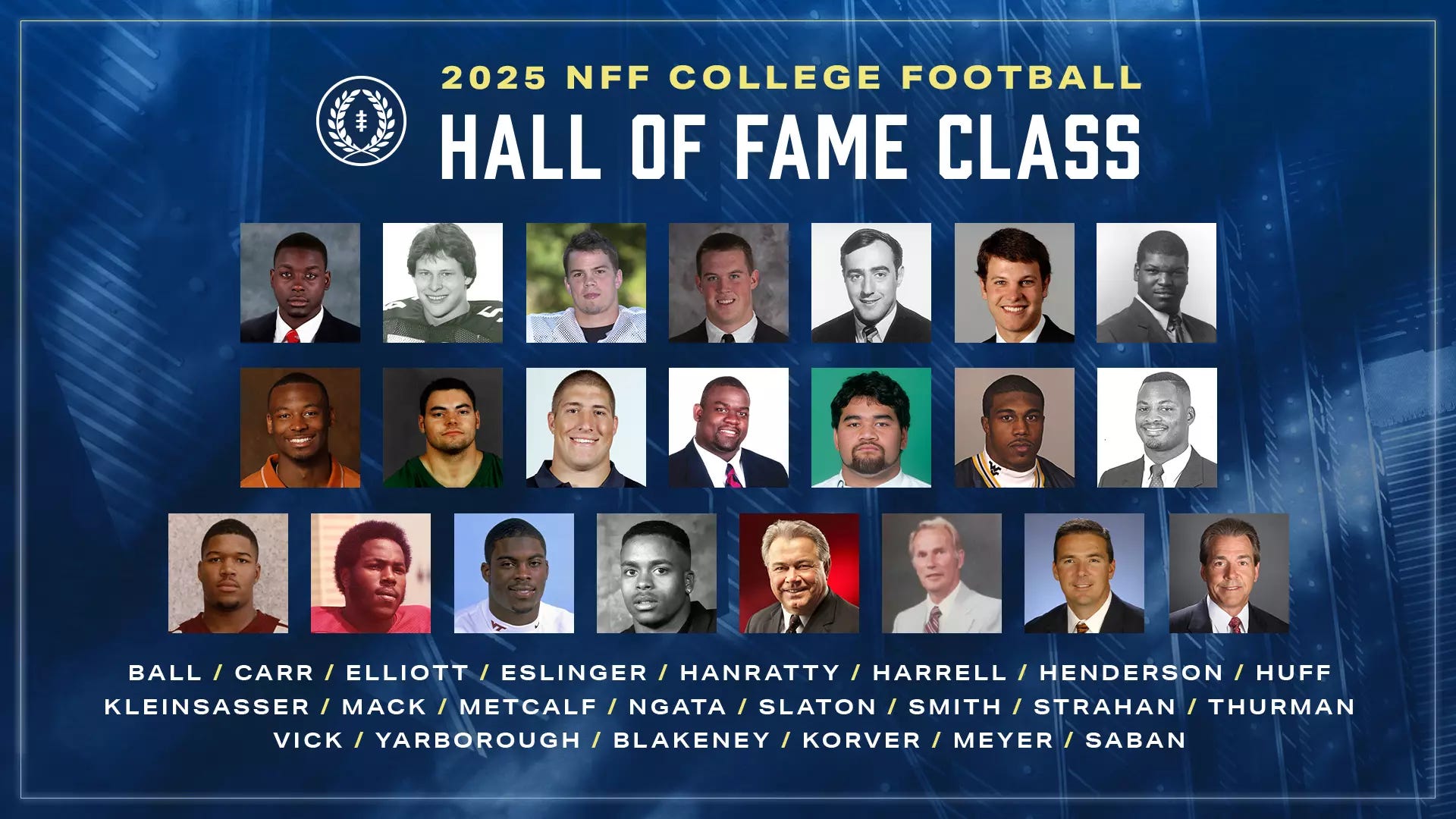
The event was streamed live on ESPN+ last night, but it’s one of those things where you have to be there. I’m lucky enough to get a seat courtesy of GSV Founder Michael Moe, who is on the board of the National Football Foundation (the nonprofit that puts on the event).
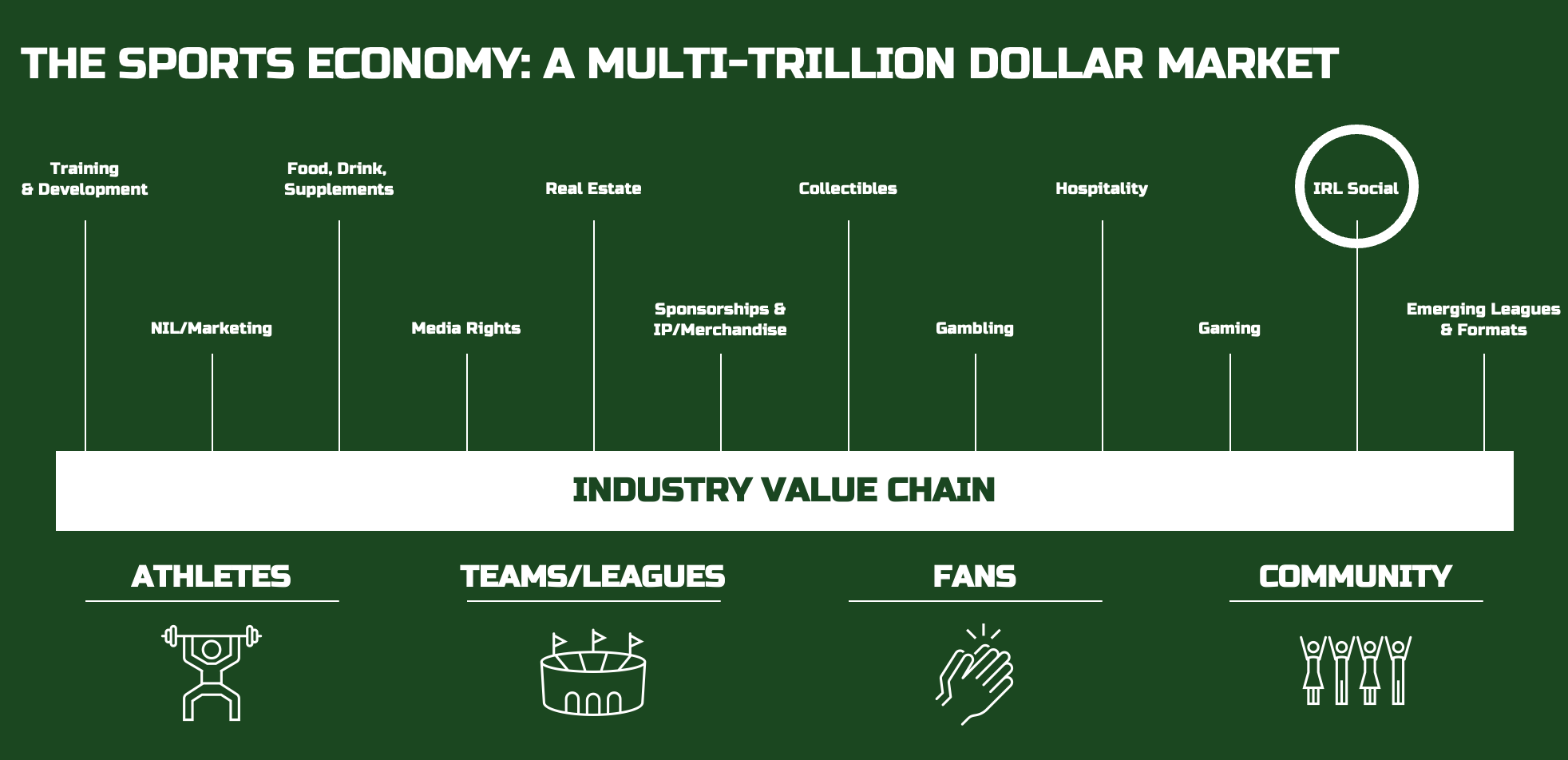
In The Sports Economy, I included a value chain slide. One section I called “IRL Social” — real‑world connection built around shared passion. That idea kept coming to mind all week.
For elite athletes, a company that has tremendous potential is Pro Athlete Community (PAC). They’re effectively building YPO for professional athletes. Two nights ago, I had dinner with CEO Chip Paucek who invited a crew of current PAC members to join us. PAC runs on trust, understanding, and a positive-sum outlook on the world.
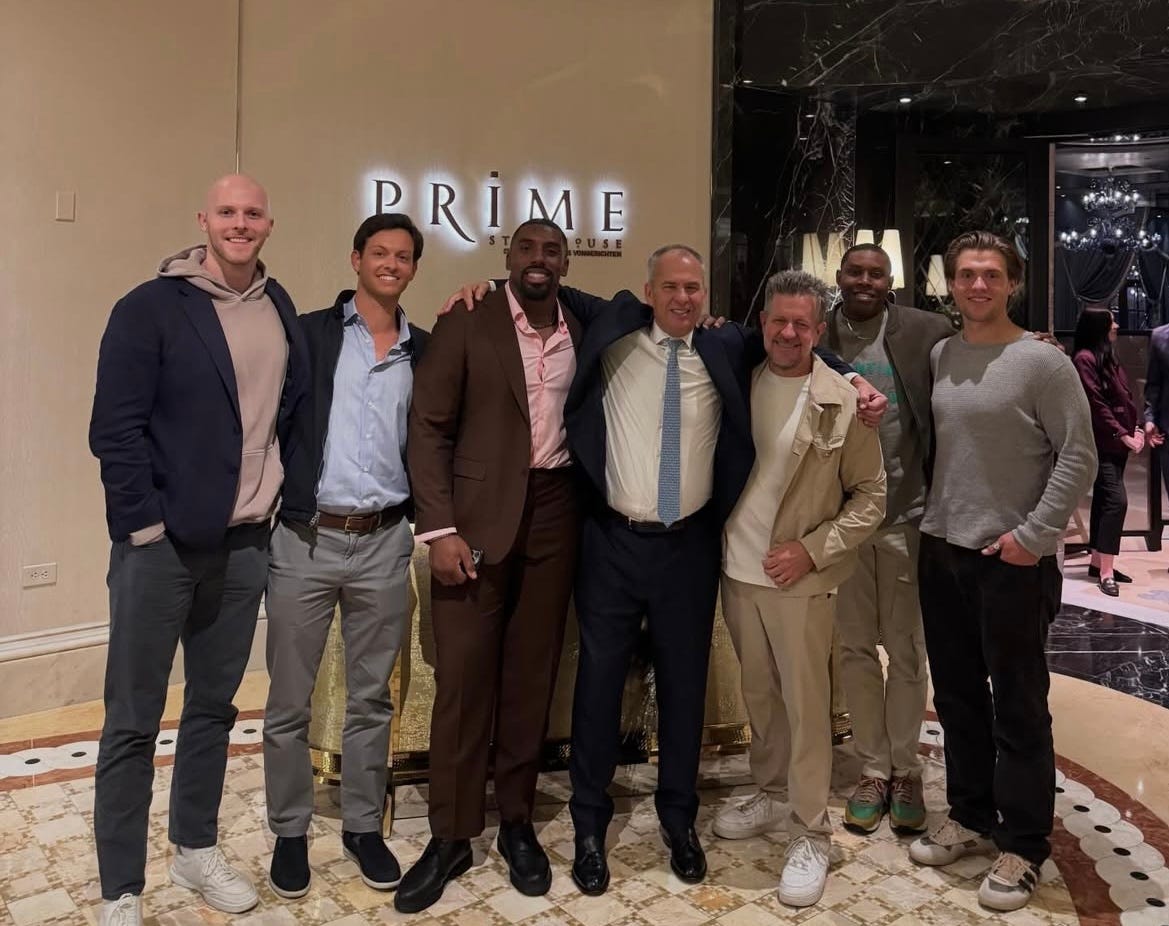
The athletes love it because they feel understood. They have peers who are going through similar things, and they get connected with business leaders across the country. As PAC constantly emphasizes: exposure breeds expansion.
The Post, led by former NFL quarterback Christian Ponder, seeks to do this with a slightly wider tent—former collegiate athletes can apply to gain access to “community, connections, coaching, and a clubhouse" (they have a physical space in New York).
The abrupt loss of structure, identity, and community faced by athletes creates a crisis that too few organizations address. PAC and The Post create a new kind of locker room—one centered on education, networking, and purposeful transition into what comes next.
But this craving for connection isn’t unique to elite athletes.
Take run clubs for example; they’ve evolved from pandemic-era gimmicks into cultural movements. Brands like Bandit Running and Rapha have built entire ecosystems around shared miles.
People buy products from these brands to signal what tribe they’re in. They could buy Nike or Adidas, but those are for the masses…and the point is to show they are not casuals.
Strava is an example of a technology layer that turned solitary workouts into social currency. And companies like Sweatpals are further streamlining the entire category, making it easier for anyone to find their people through movement. Volo Sports is another one—it enables scheduling and planning for adult recreational leagues.
CrossFit walked so HYROX could run (or lunge?)…it transformed fitness into a competitive sport with sold-out events worldwide.
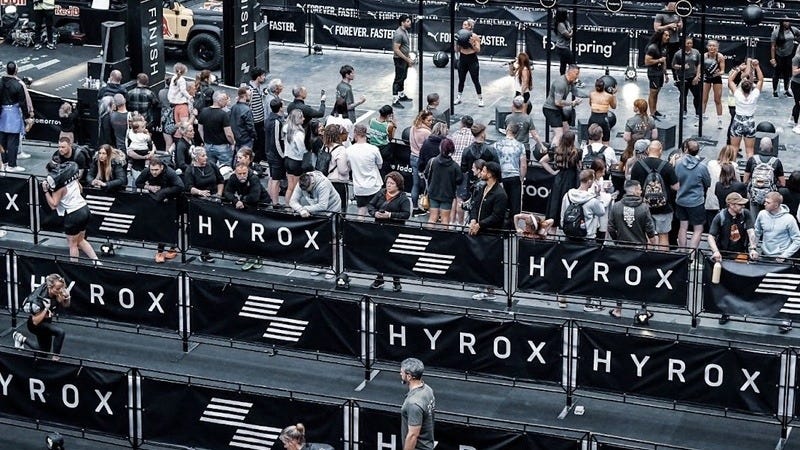
This isn’t just about fitness—it’s about fighting isolation. One of my good friends in New York recently texted me saying “So many people I know only work out in classes because of the camaraderie . . . many of them haven’t participated in actual organized sports since middle school.” Yet, they regularly—and happily—spend their hard-earned money to get yelled at by an instructor and sweat profusely shoulder to shoulder with others.
More companies are evolving to accommodate these consumer desires. Topgolf pioneered the format years ago, but now we’re seeing an entire category emerge: Padel Haus, Ballers, and The Reserve are all building spaces where competition, community, and culture converge. These aren’t just places to play—they’re third spaces designed for belonging. This is the formalization of what people want.
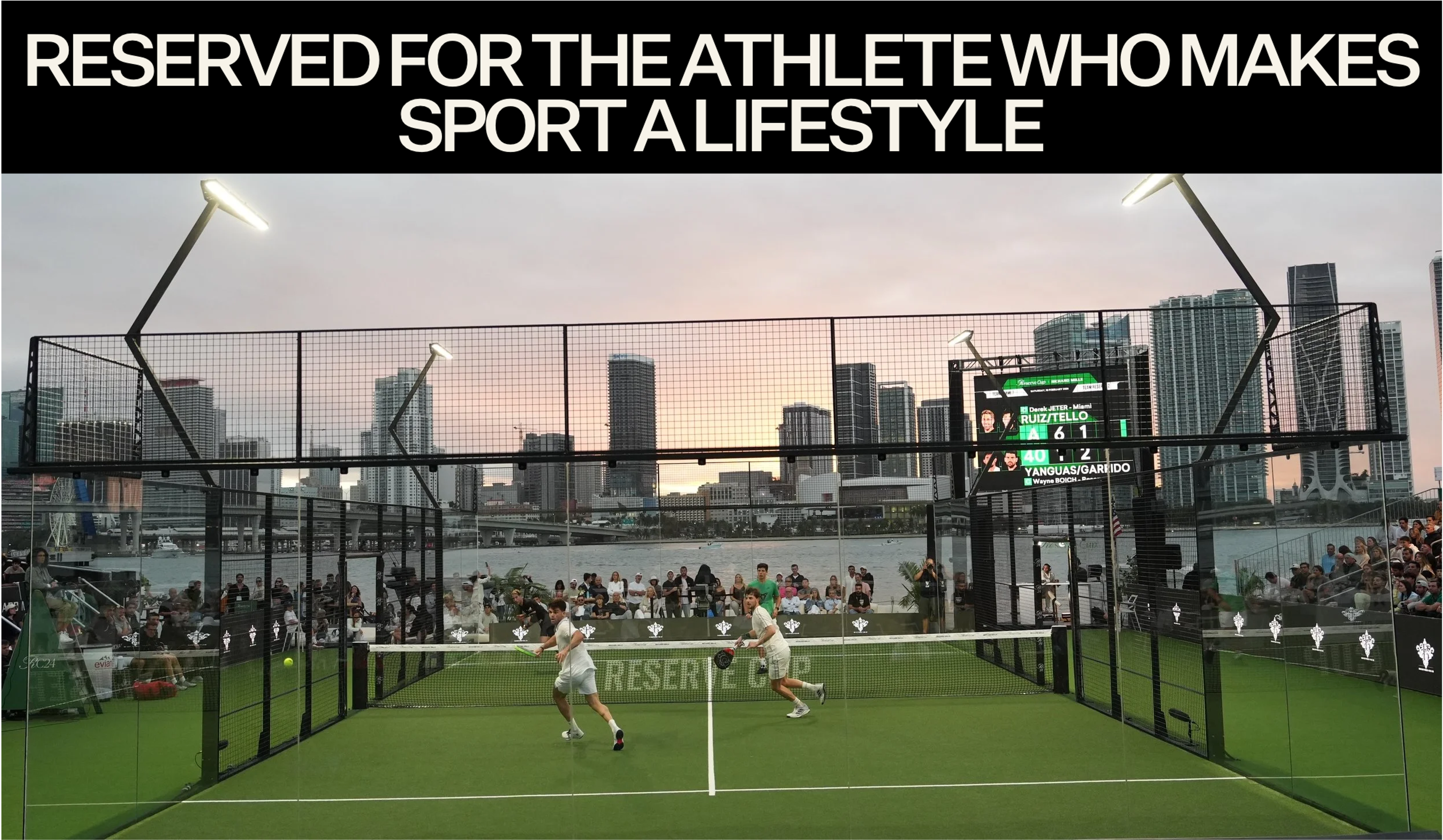
It’s the same reason that going to a Saints bar in NYC or a Kansas Jayhawks bar in Dallas is something that people seek out—it’s where you go to find your people. You have the shared experience, knowledge, and emotional skin in the game. Sidenote: I’m very excited for the upcoming unveiling of The Pro in Palo Alto.
After years of atomization, algorithm-driven feeds, and parasocial relationships, people are craving real connection around shared passions. The companies winning aren’t just selling a product or service—they’re selling participation in something bigger.
The Sports Economy’s community spike isn’t an accident. It’s a response to our most fundamental human need: to find our people, show up together, and feel like we’re part of a team.
P.S. I first heard this idea from Richard Reeves: we have Teach for America, but what we really need is Coach for America. Coaching is meaningful, gives purpose, and would pull young men—especially former athletes—back into their communities. So many who miss the field would jump at the chance to pour into the next generation.
I’ll be publishing this newsletter every other Wednesday.
Stay tuned and share this with someone who should be paying attention to where the sports economy is headed.
If you’re building, investing, or advising within the Sports Economy — please reach out!
Email: underthenumberpod@gmail.com.
– Brent