



At one point, Ashton Kutcher was making $700,000 per episode on Two and a Half Men. At that rate, it would have taken him 42 episodes, roughly two seasons, to earn $30 million.
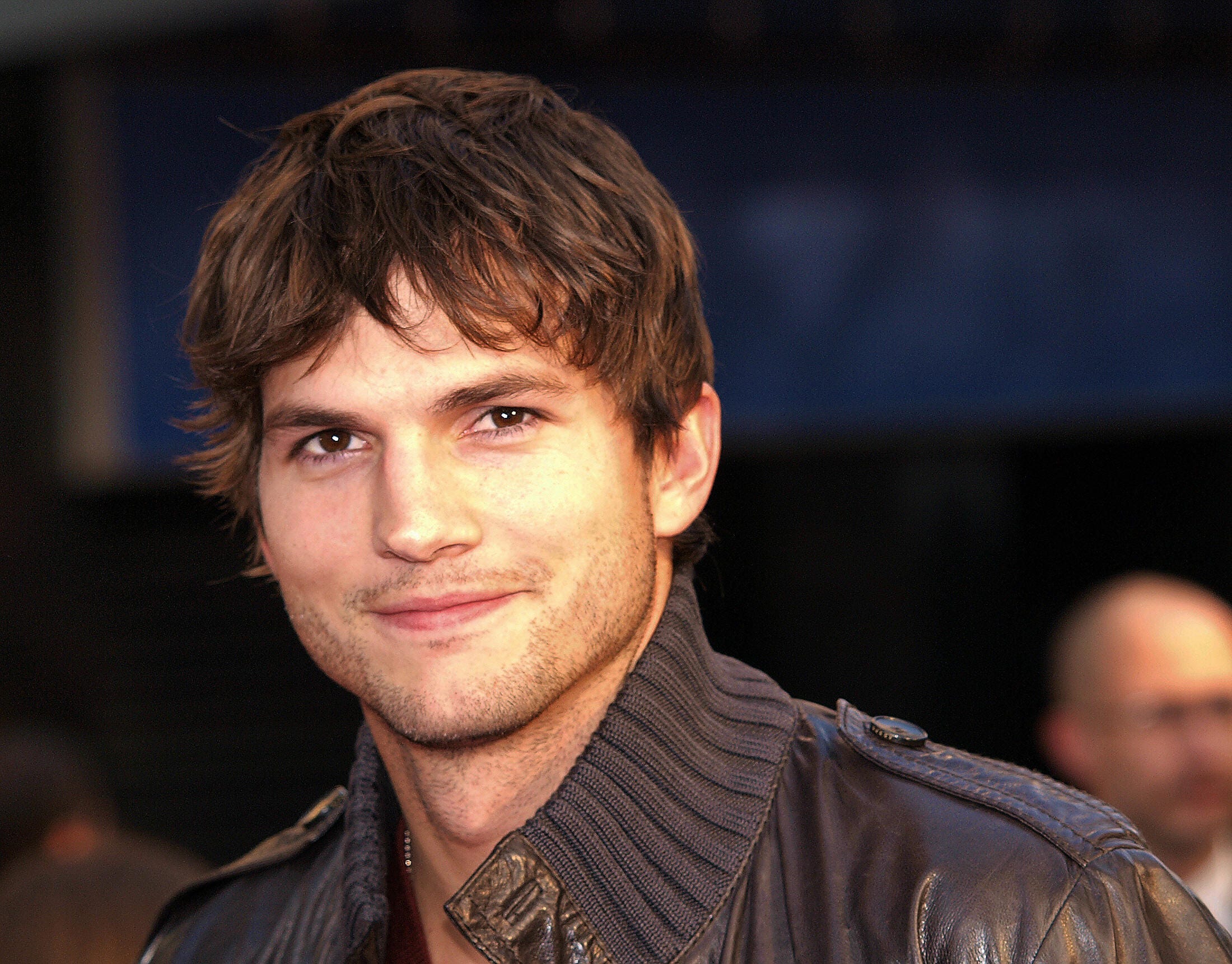
In 2019, he wrote a $30 million check into OpenAI.
That stake is now worth approximately $1.3 billion. A 72% IRR resulting in a ~43x mark up in seven years.
This is the difference between playing linear vs. exponential games.
A few other icons who made bets that bent the curve:
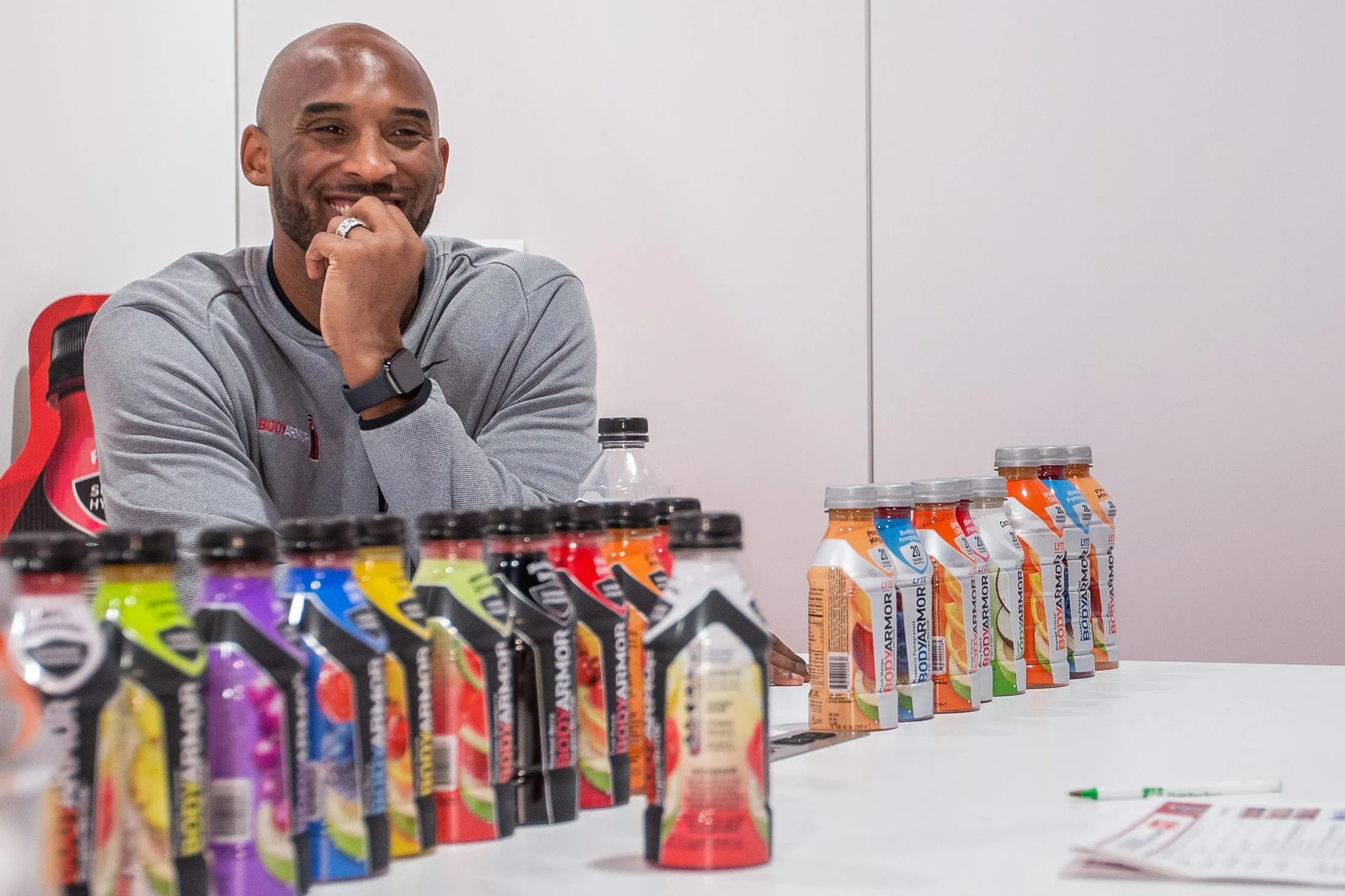
Kobe: $323 million in career earnings across 20 seasons. After getting paid $30.5 million by the Lakers in 2013, he put $6 million (equivalent to ~16 game checks) into Body Armor in 2014. His estate cleared $400 million when the company was acquired by Coca-Cola seven years later.
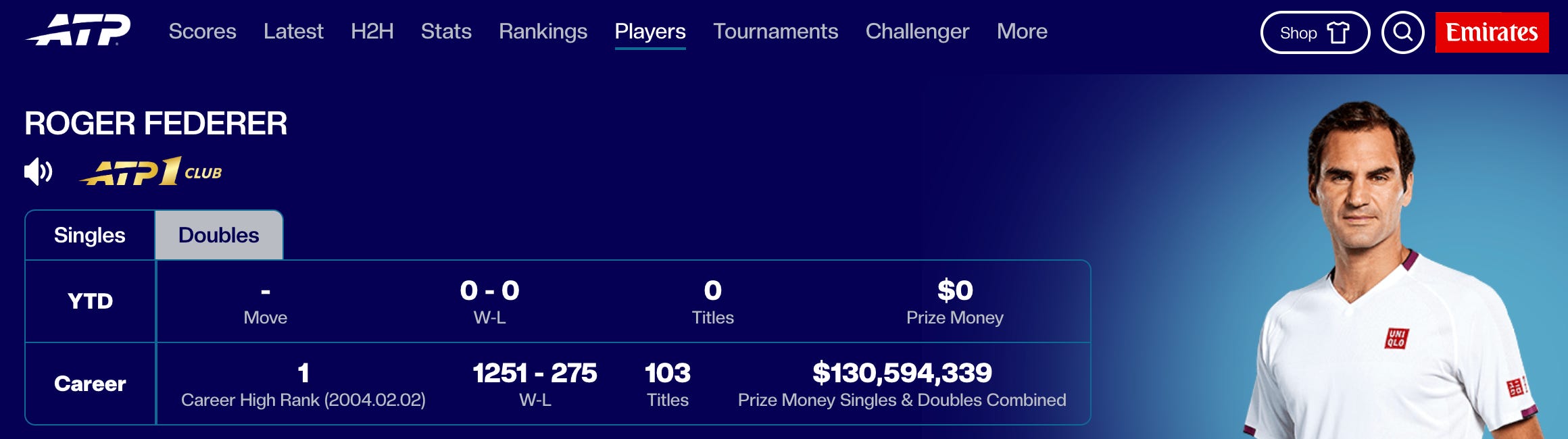
Federer: $130 million in career prize money across 24 years on tour. His stake in On Running is worth roughly three times that, from a single position. One investment, one company.
Joe Montana: $25.5 million over 15 NFL seasons and four Super Bowls (less than half of what Trevor Lawrence and his one career playoff win will make in 2026 alone). Montana’s fund, Liquid 2, wrote a $100k seed check into GitLab, which yielded $47 million when the company IPO’d.
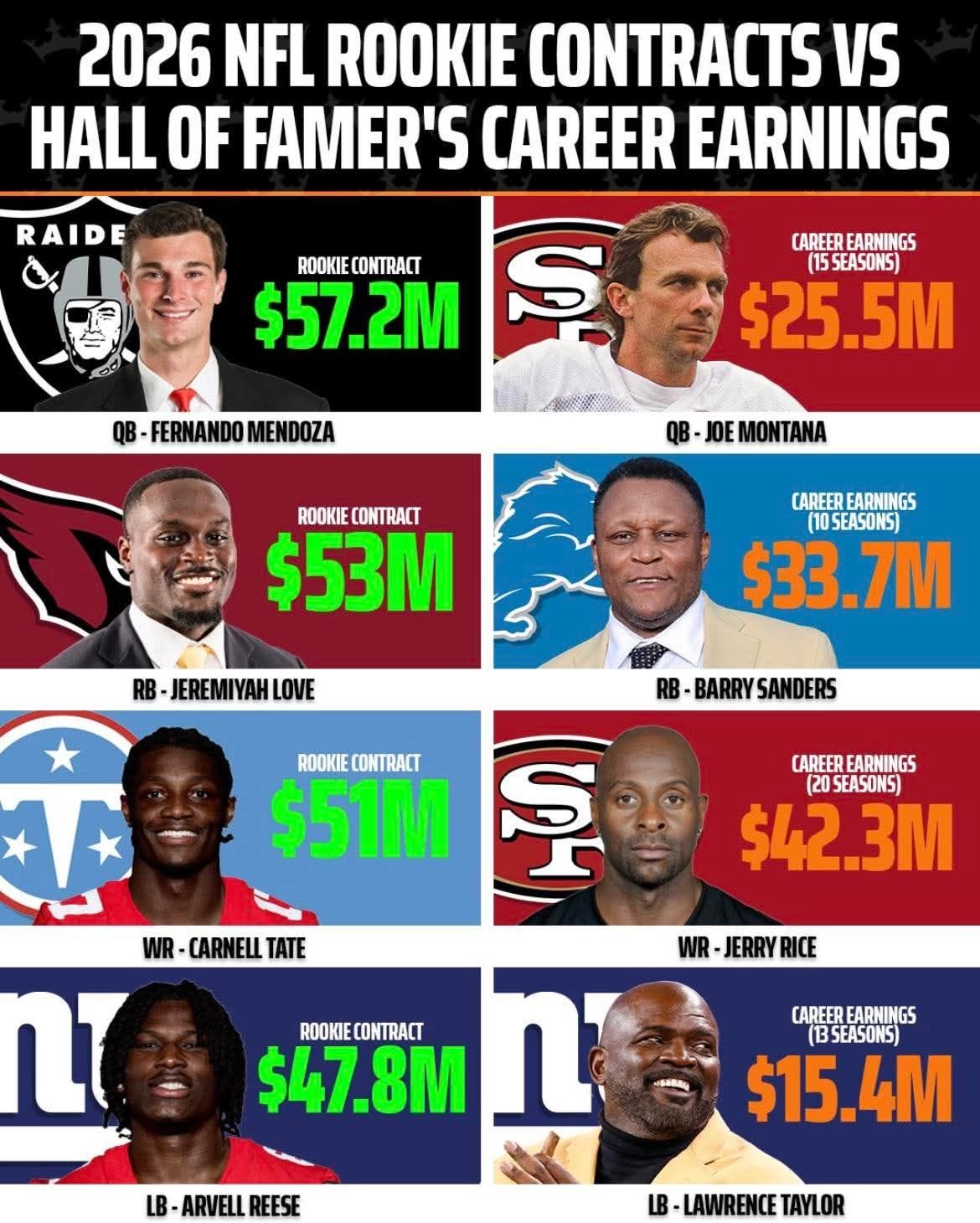
These days, NFL and NBA stars are making Fortune 100 CEO money in their early 20s. Jayson Tatum, who is five weeks younger than I am, has already made $209 million (excluding endorsements) and is on track to earn $469 million by 2029. 2026 rookies Fernando Mendoza, Jeremiyah Love, and Carnell Tate just signed for $57.2 million, $53 million, and $51 million, respectively. Jerry Rice made $42.3 million across his 20-year career.
Today’s superstar rookies are HNWIs from the day they sign. They’re setting up family offices fresh out of college and they have fifty-year time horizons to put all this dough to work. In some cases, we’re talking about cash positions the size of a seed stage VC fund, sitting in the hands of someone who isn’t even allowed to rent a car yet.
But as well paid as they are, pro athletes are on a hamster wheel during their careers. When they stop playing, the team stops paying. Which is why what they do with the cash while it’s coming in matters more than the cash itself.
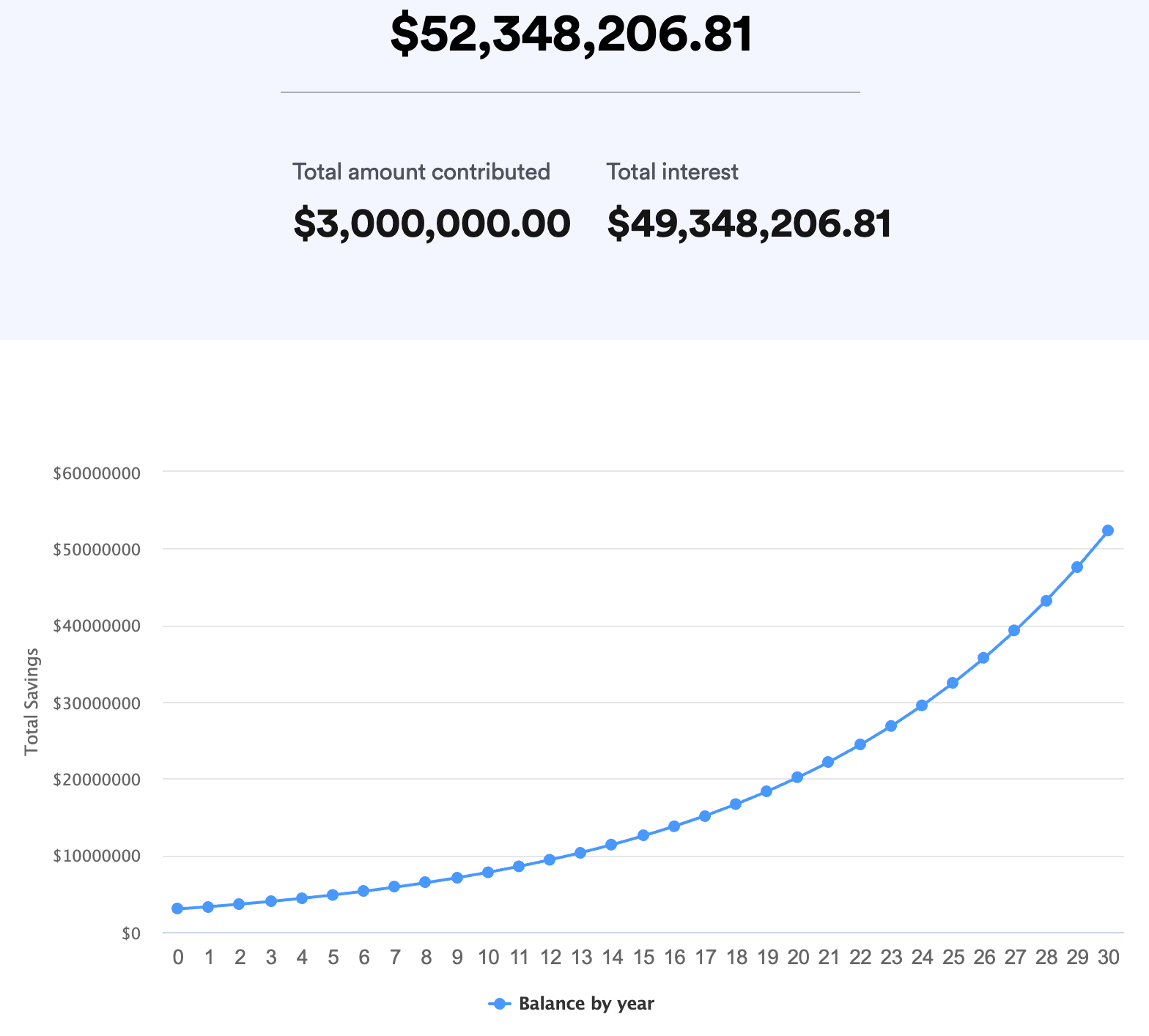
And here’s the thing for the venture skeptics in the audience: these guys don’t even need to play the early-stage game to win. If 20-year-old Jeremiyah Love takes $3 million of his rookie deal and parks it in the S&P at a normalized 10% return, that’ll be $52 million by his 50th birthday. The guys who understand compound interest and take well-researched shots on goal on the venture side will be astronomically wealthy. Volume is a necessity in venture, and these contracts cover it.
Let’s talk about access. The venture game is available to these athletes in a way it isn’t to others with comparable wealth. The carwash king of Wisconsin is not going to get invited to invest in Founders Fund. Saquon Barkley? He’s already an LP there and Thrive Capital. Perks of being a cool kid.
On S2 E7 of the pod, Cooper Manning summed up this phenomenon investors wishing they were athletes and athletes wanting to be investors:
With the coming of age of a handful of companies in a hot market, these perks have been extraordinarily valuable to the athletes who took advantage of them. Kevin Durant has positions in Whoop, Coinbase, and Robinhood. Giannis is in Kalshi and Gopuff. Saquon’s direct bets read like a tier-one VC’s book: Anduril, Ramp, Neuralink, Polymarket, Cognition.
As VCs like to point out, you can only lose 1x your money when making equity investments. The upside is asymmetric.
What individual athletes have been doing one check at a time is now being institutionalized.
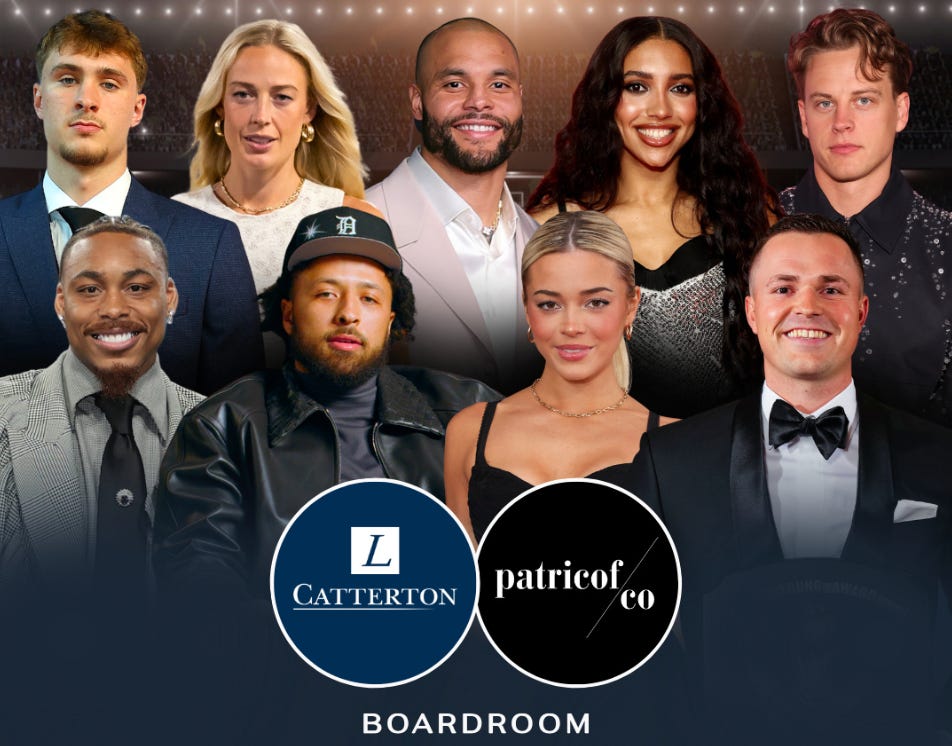
What L Catterton and Patricof Co announced last month is a masterclass in incentive alignment. CHAMP, short for Champion Athlete Managing Partner. The structure is straightforward and the implication is enormous: athletes don’t endorse the portfolio companies, they co-own them. Skin in the game, not name on the jersey.
More than 250 elite athletes are already in. Cooper Flagg. Kevin Durant. Joe Burrow. Dak Prescott. Ja’Marr Chase. Justin Jefferson. Mike Trout. Livvy Dunne. The top of the demand curve across five sports plus the highest-leverage NIL athlete in the country, all being routed through an institutional PE platform as co-owners rather than as endorsers.
The whole history of athlete-brand relationships has been about renting the athlete’s name. CHAMP is the institutional acknowledgment that the better trade is owning alongside them.
Athletes are better capitalized and educated than ever before. They will be a force in private markets. If you missed it, check out this week’s podcast episode with Devin and Jason McCourty. Together, the twins earned a total of $148 million and won a combined four Super Bowls during their 13-year NFL careers.
The conversation wasn’t about contract negotiations or performance bonuses. It was about what they’re building now. Two leaders under 40, with capital, networks, and a vision for the next chapter.
I publish an essay every other Thursday.
Stay tuned and share this with someone who should be paying attention to where the Sports Economy is headed.
If you’re building, investing, or advising within the Sports Economy — please reach out!
Email: underthenumberpod@gmail.com
– Brent